A successful landscape starts long before the first plant goes into the ground. Professional design turns inspiration, practical needs, and site conditions into a coordinated plan that a construction team can build efficiently.
Start with how you want to use the space
Think about the moments you want your yard to support. You may need room for entertaining, a safer route from the driveway, a quiet garden, better play space, or a more polished view from inside your home. Defining those priorities helps determine where patios, paths, planting beds, lighting, and lawn areas belong.
Design for the property you have
Every site has its own grade, drainage patterns, sun exposure, soil, utilities, and existing features. A good plan responds to those conditions instead of forcing a generic layout onto the property. Addressing drainage and elevation early can also prevent expensive changes during construction.
Coordinate materials and planting
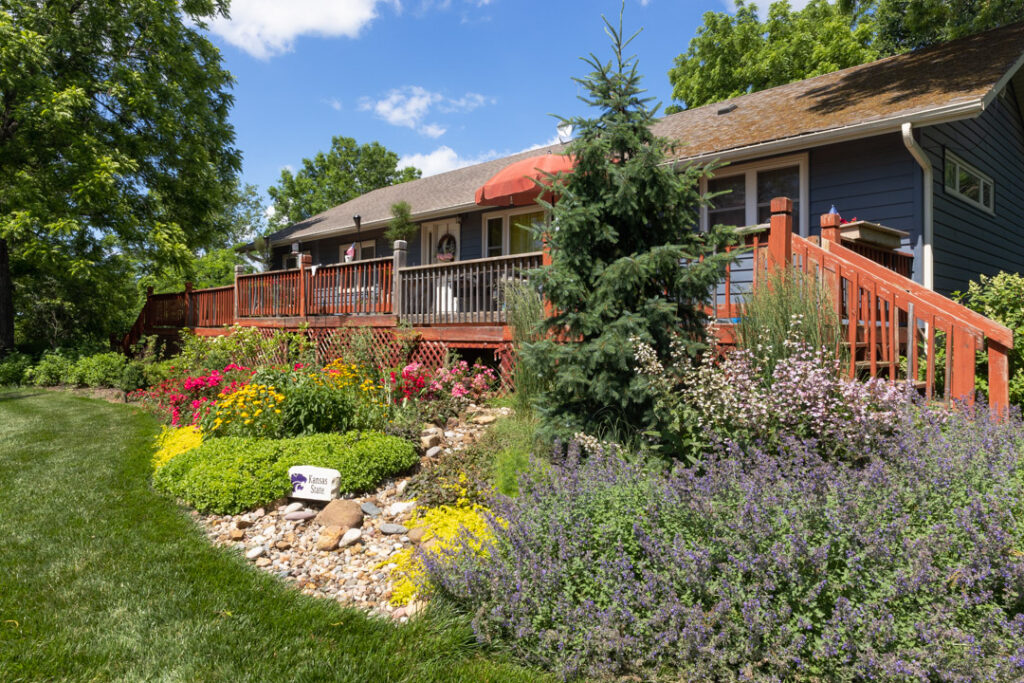
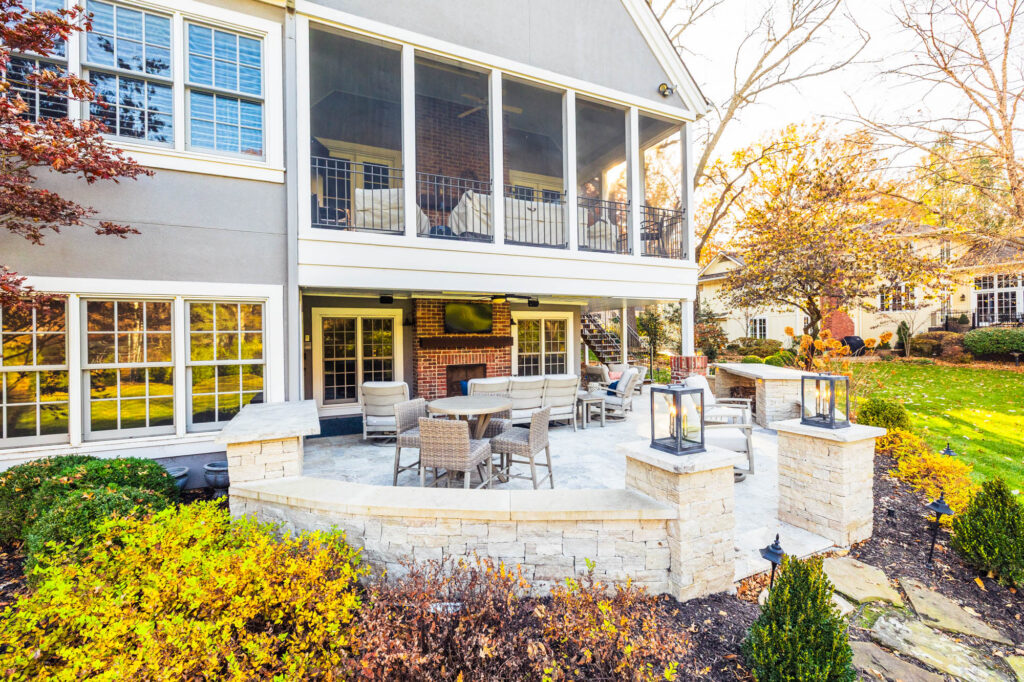
Pavers, stone, edging, structures, and plants should feel like parts of one composition. Repeating colors and textures creates continuity, while layered planting adds softness and seasonal interest. The plan should also account for mature plant sizes so the landscape feels balanced for years to come.
Build with confidence
A clear design provides realistic quantities, construction details, and an intentional sequence of work. It gives homeowners and installers the same roadmap, makes budgeting easier, and reduces uncertainty once the project begins.