Standing water, washed-out mulch, soggy lawn, and damp areas near the foundation are signs that runoff is not moving through the property as intended. The right solution begins with understanding where the water originates and where it can safely go.
Correct the grade first
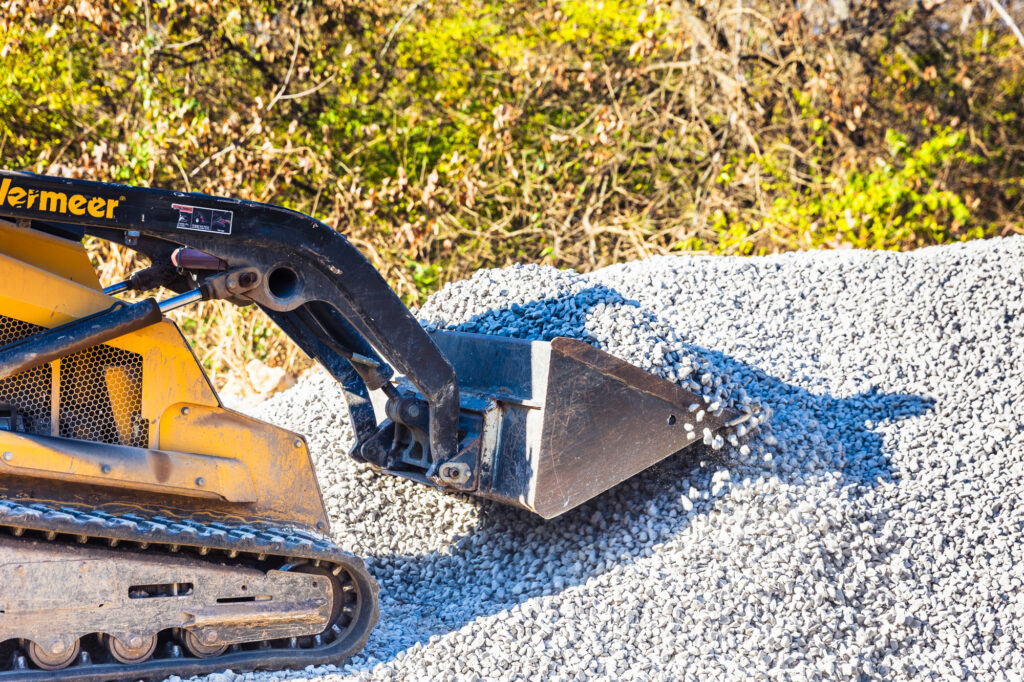
Subtle changes in elevation can guide surface water away from buildings and high-use areas. Regrading may be enough for shallow low spots, while larger problems often require a combination of soil work and drainage infrastructure.
Manage roof runoff
Downspouts can release a surprising amount of water during a storm. Extensions or buried solid pipe can carry that flow to a daylight outlet or another approved discharge point. Keeping roof runoff separate from saturated planting beds reduces erosion and stress on plants.
Use drains where water collects
Catch basins and channel drains collect surface water in targeted areas such as patios, walkways, and low lawn sections. French drains can help intercept subsurface moisture when site conditions are appropriate. Each system needs a dependable outlet and accessible maintenance points.
Let the landscape help
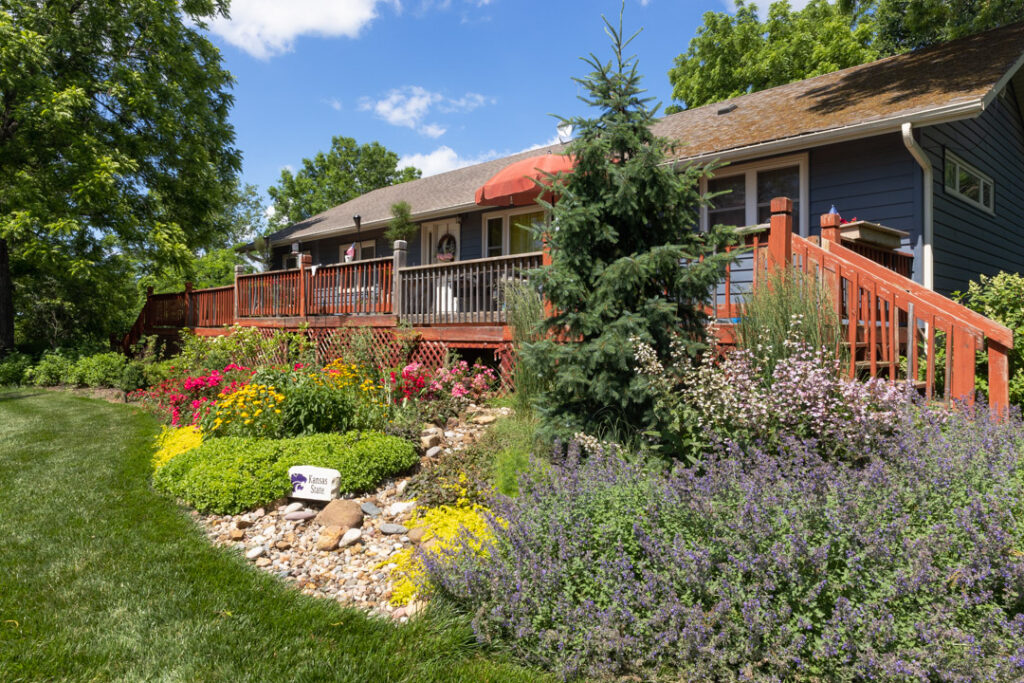
Rain gardens, swales, deep-rooted plants, and permeable surfaces can slow and absorb runoff while adding visual interest. A coordinated drainage plan protects hardscaping, improves plant health, and makes the yard more usable after wet weather.